Materiality and atmosphere: Crafting hospitality spaces that feel right
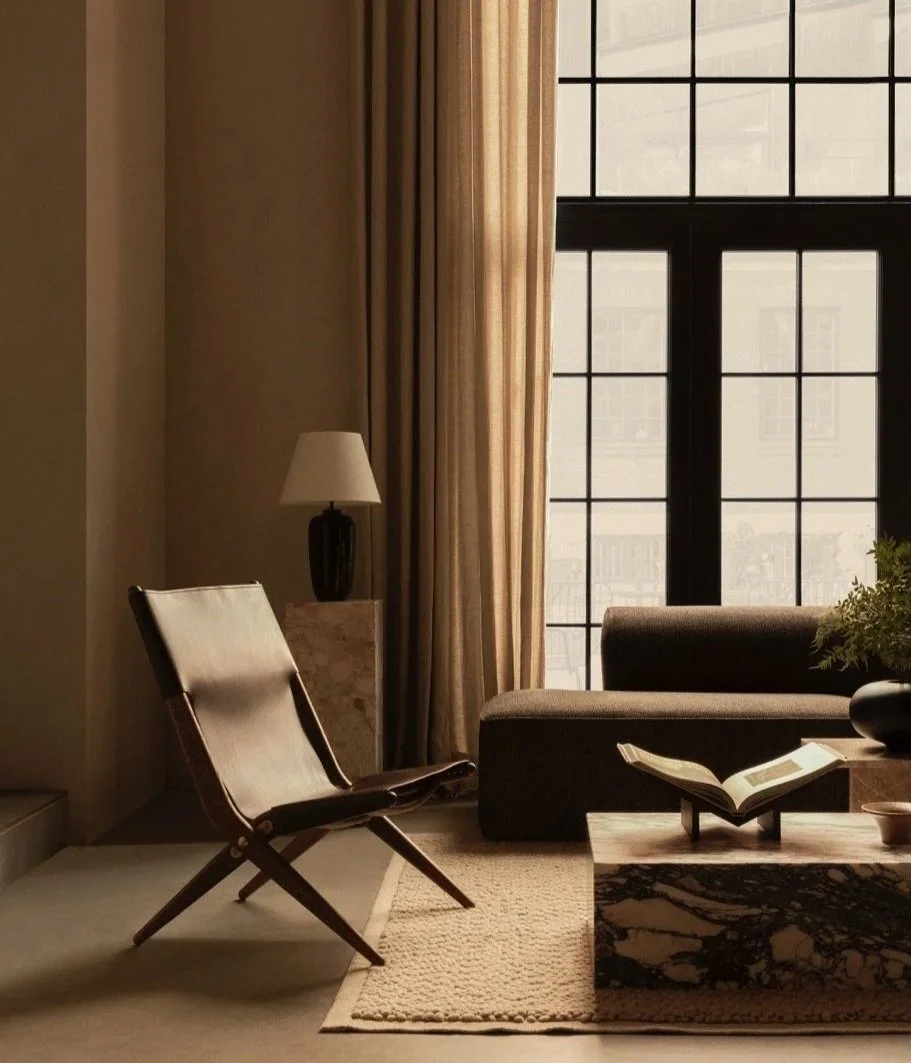
In hospitality, atmosphere is rarely the result of a single design decision. It’s built gradually, through material choices, light, texture, proportion, and the way a space responds to its surroundings. Long before a guest can articulate why a place feels right, they’ve already absorbed it on a sensory level.
This is where materiality becomes essential — not as decoration, but as a tool for shaping experience.
Materiality Beyond Aesthetics
Materials in hospitality are not static. They are touched, walked on, leaned against, and lived with. They influence sound, temperature, and movement as much as appearance. Yet too often, materials are chosen for how they photograph, rather than how they perform in space.
In considered interiors, materials work quietly in the background. Stone cools and grounds. Timber softens acoustics and introduces warmth. Textiles absorb sound and invite pause. These decisions shape comfort and behaviour, often without guests consciously noticing.
Thoughtful hotel interior materials support atmosphere rather than announce themselves.
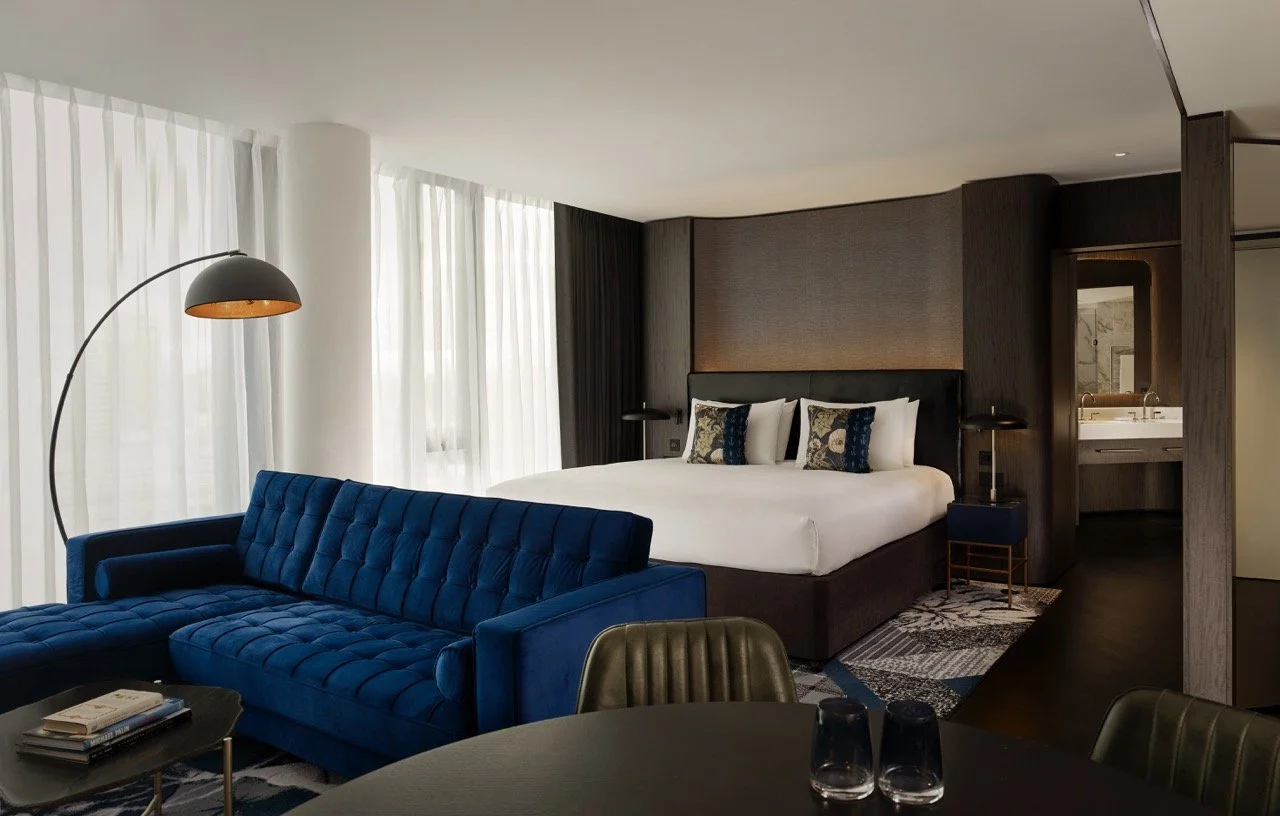
The Westminster, Curio Collection by Hilton
Atmosphere Is Built Through Layers
Atmosphere doesn’t come from finishes alone. It emerges from the relationship between materials and light, between texture and scale, between openness and enclosure.
Natural light reveals materials differently throughout the day, adding depth and variation. Artificial lighting, when carefully integrated, enhances texture rather than flattening it. In strong hospitality interiors, light is not added at the end of the process — it is developed alongside materiality from the beginning.
This layered approach sits at the heart of sensory design in hospitality, where spaces are felt as much as they are seen.
Designing for Place, Not Just Style
Material choices carry cultural and geographic meaning. What feels authentic in one context can feel disconnected in another. Interiors that resonate tend to respond to their environment — climate, landscape, and local craft — rather than applying a universal aesthetic.
This doesn’t mean replicating tradition. It means interpreting place with restraint and intention, allowing context to inform decisions subtly rather than literally. When materiality reflects its surroundings, atmosphere follows naturally.
When Atmosphere Shapes Experience
In hospitality, atmosphere is not a backdrop — it is part of the experience itself. It influences how long guests stay, how they move through a space, and how they remember it afterwards.
When materials, light, and proportion work together, interiors gain a sense of ease. Spaces feel coherent without feeling designed. This is often what guests respond to most, even if they can’t quite explain why.
Feeling Over Formula
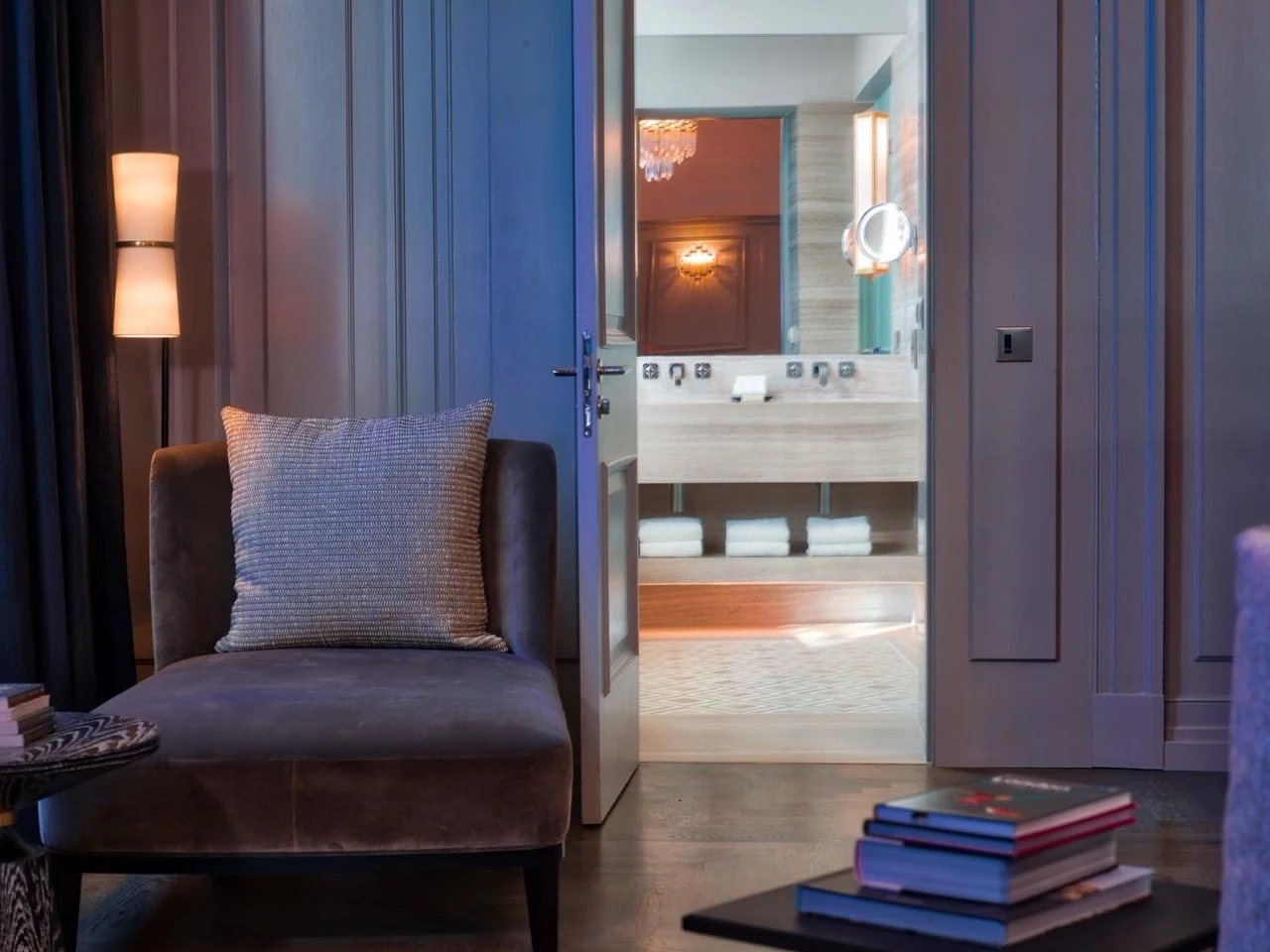
The hospitality interiors that endure are rarely those that chase trends. They are the ones that prioritise feeling over formula — spaces where materials age well, textures invite touch, and atmosphere evolves throughout the day.
When materiality is approached with care, interiors gain depth and longevity. They become places people connect with instinctively, not because of a specific feature, but because everything feels quietly aligned.
That sense of comfort and coherence is never accidental. It is designed.