Why concept development is the heart of great hospitality design

In hospitality, design is often treated as an outcome — a look, a style, a visual layer applied once decisions have already been made. But the strongest hotels, bars, and destinations don’t start with design. They start with concept.
Concept development is the foundation that gives meaning to everything that follows: interiors, branding, communication, and ultimately the guest experience. Without it, even the most beautiful spaces risk feeling generic, interchangeable, or disconnected from their setting.
Concept Is Not a Theme — It’s a Point of View
One of the most common misunderstandings in hospitality design is the idea that a concept must conform to an existing category: alpine, lifestyle, wellness, luxury. In reality, these labels are starting points, not destinations.
Strong concept development isn’t about fitting neatly into an ideology — it’s about deciding what you want to say within it, or even choosing to redefine it altogether.
We often see projects where the brief is shaped by what already exists in the market. The result is familiarity, but rarely distinction. Concept-led thinking challenges this by asking deeper questions:
What does this place stand for?
Who is it really for?
How should it feel, not just look?
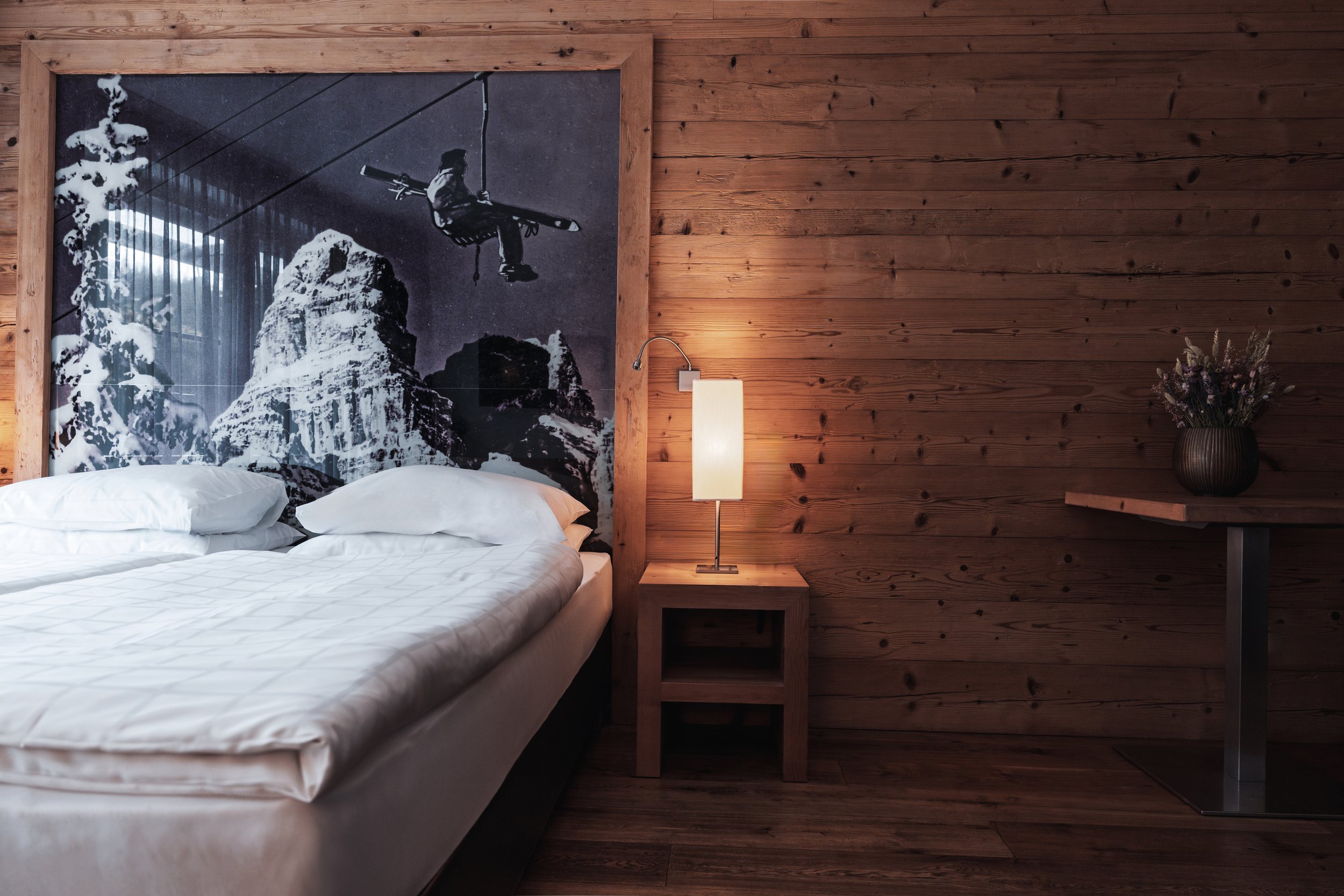
Soleil Alpine Lifestyle Hotel
Redefining, Not Repeating
This approach was central to our work with Soleil Alpine Lifestyle Hotel. Rather than leaning into a predictable idea of alpine hospitality, the focus was on redefining what alpine comfort could mean today — quieter, more intentional, and more lifestyle-led.
Concept development informed every decision that followed, from artistic direction to how the brand speaks and presents itself across channels. The result wasn’t a rejection of place, but a reinterpretation of it — one that feels rooted, but not constrained by expectation.
When Concept Shapes Space
Concept becomes even more critical when translating ideas into physical environments. Interiors without concept can be visually impressive, yet emotionally flat. With a clear conceptual foundation, space gains narrative and purpose.
This was especially evident in the creation of B-Side Alpine Hi-Fi Listening Bar, where the aim was not simply to add another bar, but to introduce a cultural space within the hotel. The concept — listening as a shared experience — guided decisions around layout, acoustics, materiality, lighting, and pacing.
Rather than following a prescribed idea of what a hotel bar should be, the project redefined its role within the wider hospitality experience. Design, sound, and atmosphere became part of a single, coherent idea.
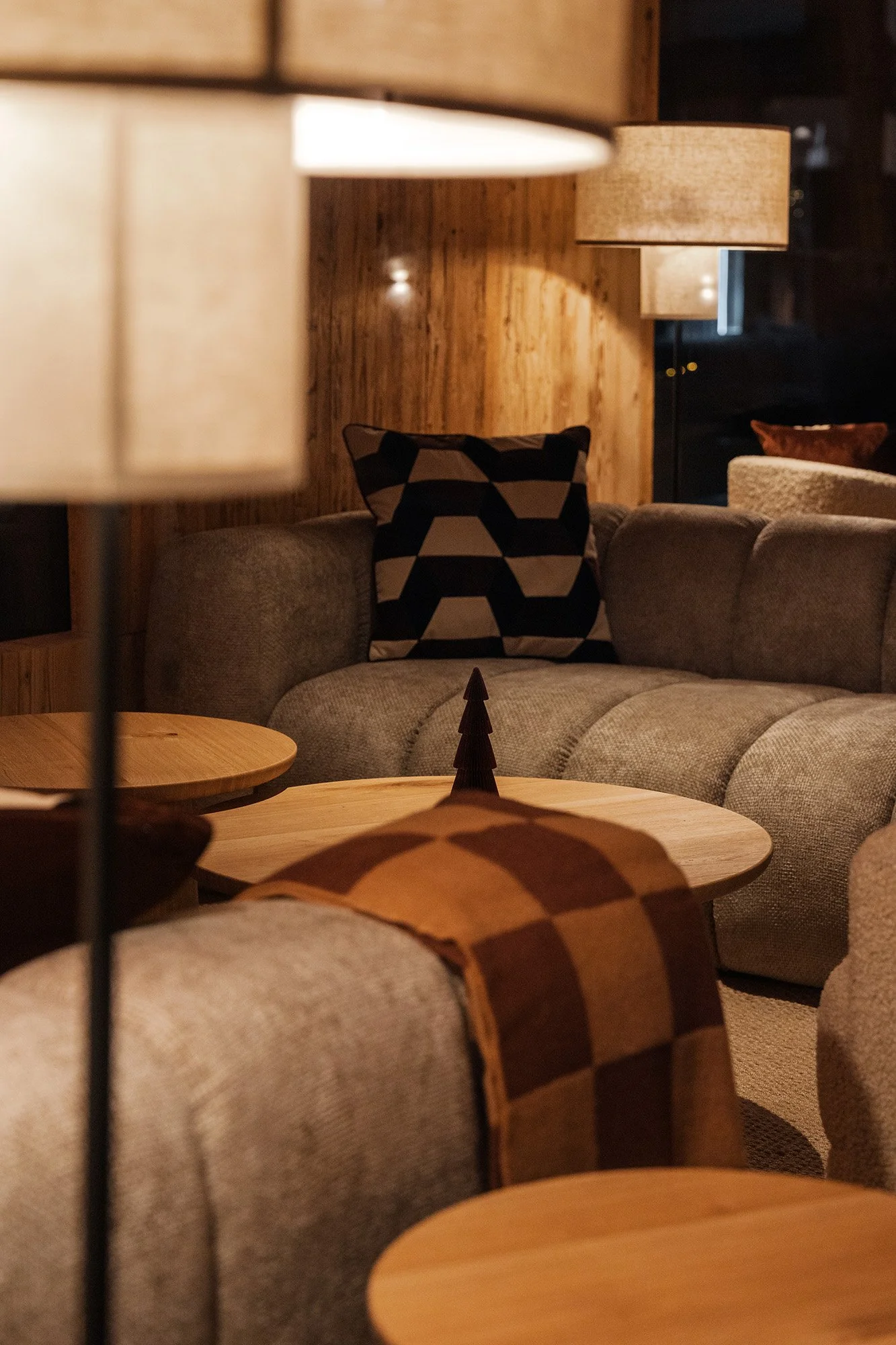
B-Side Alpine Hi-Fi Listening Bar
Concept as a Unifying Thread
The value of concept development lies in its ability to unify. It connects brand and interiors, digital and physical, storytelling and experience. It ensures that every touchpoint — from a social post to a room detail — speaks the same language.
When concept is strong, execution becomes clearer. Decisions are easier to make, consistency comes naturally, and the guest experience feels intentional rather than assembled.
In an increasingly crowded hospitality landscape, concept is no longer a luxury. It is the difference between places that simply exist, and places that are remembered.